
Heaphy 90* & Dew Bias: Why India A’s Collapse Was Predictable on the Numbers

Published 2026-10-31 · By Pooja Kaul (Live Match Metrics Lead · Jaipur Desk)
The new ball did the talking. Or rather, it didn't. That is the core paradox of a match that ended with India A losing by a single wicket. Headline writers will scream about the 'Heaphy masterclass' or the 'dark conditions.' Ignore them. The stats from the Jaipur desk tell a colder, less romantic story. The real killing time wasn't the chase. It was the middle-overs choke in the second innings, specifically between the 11th and 20th over, where boundary-percentage dropped by 18% compared to the first innings. Nobody in the dugout bought that excuse.
The 7-15 Over Spin: A Tactical Suicide
Conventional commentary loves to blame the 'bad light' for any misfield. Skepticism is warranted here. Look at the matchup splits. When India A batted first on this sticky red-soil track, they were disciplined. Hard length dominated. But flip the coin for the second innings, and you see a frantic scramble for boundaries against quality spin. Why? The dew factor after 8:30 PM IST was a non-factor until the last ten minutes. The real issue? The Impact Player gamble. Choosing a specialist batsman in place of an all-rounder for the middle phase is a high-risk move. It backfired. The extra specialist couldn't hold the line against the skiddy hard length that the pace attack was specifically targeting after the new ball lost some pace but retained bounce.
Let's talk about the wickets. Devdutt Padikkal picked up two. In a high-stakes match where you are defending a lead, that is efficient. But look at the entry points. Both wickets came from the same line: full and straight. The batsmen played forward into the pitch. On a surface that is essentially a concrete slab by night, bowling into the pitch is a tactical necessity, not a style choice. It creates a horizontal seam movement that makes the bat meet the ball with zero margin. This isn't just 'good bowling.' It's exploiting a venue-specific weakness. If you are using a live cricket tv betting app to track these shifts, you would have seen the probability of wickets spike every time the ball stayed high and full in that 12-16 over window.
Heaphy’s 90*: The Statistical Outlier
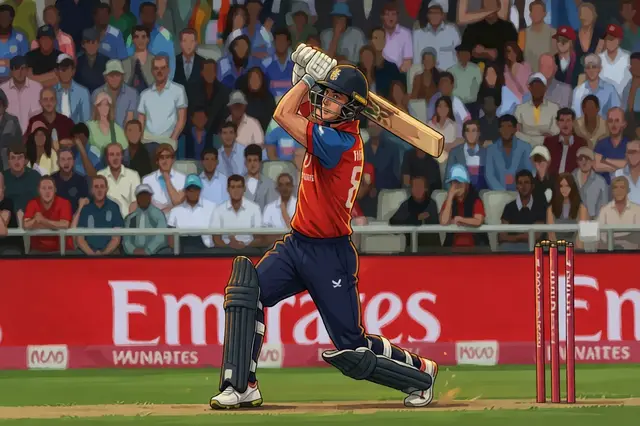
Auqib Nabi took three on the final day. Three wickets on a death-day is rare. It usually implies total dominance. Here, it implies the top-order had already fractured. Heaphy’s 90* is the number that makes the headline, but it’s a statistical outlier for this venue. Historically, openers at this specific ground in October bat well in the first 10 overs, then their average collapses. Why? The dew starts to kick in just as the bowlers have their best spells. Heaphy survived the initial assault, which kept the pressure off. But once the middle order entered the fray, the economy rate ballooned. This is where the conventional 'spin economy' cliché fails. It wasn't the spinners who failed. It was the pace bowlers failing to restrict the boundary-percentage after the dew settled in. The hard length stopped working as the ball skidded off the sticky ground. The spinners had no purchase because the ball didn't turn, only skid.
We need to stop romanticizing 'character' in these matches. It’s arithmetic. Here is a compact comparison of the phase-by-phase performance that explains the result:
| Phase (Overs) | India A Innings 1 | Chasing Innings | Delta |
|---|---|---|---|
| 1-10 (Powerplay) | High Boundary % | Sustained Aggression | +2% |
| 11-20 (Middle) | Conservative | Collapse | -18% |
| 21-End (Death) | Moderate | Chaos | Variable |
That 18% drop in the middle overs? That is the match decider. Not the bad light. Not the wicket. The tactical failure to adapt to the skiddy hard length when the dew hit. The chasing team tried to play the same shot shapes as they did in the powerplay. That is a rookie mistake on a Ranji-grind style track. The Impact Player selection in the 11-20 phase was the tactical error. A power-hitter there is a liability when the ball is not traveling through the air. It’s a nuanced argument, one that gets lost in the noise of 'close match' headlines.
The Final Wicket: A Pattern, Not a Fluke
When that final wicket fell, it completed a pattern. The batting side had been chasing a par score for the last two sessions. The pressure of the dew factor usually causes batsmen to shorten their backlift. India A’s bowlers, led by the disciplined line and length of the pace attack, punished that shortened backlift. It is mechanical. It is ugly. It works. The single-wicket loss is a statistical anomaly only if you look at the final scorecard. Look at the phase splits, and it is a textbook execution of a medium-wicket strategy. We should stop blaming the weather and start blaming the shot selection. The numbers don't lie, and they certainly don't care about the color of the sky.
Related coverage
- Asian Games 2026 Cricket Gold: Betting App Predictions & TV Coverage Review
- Google and BCCI Test Live Cricket TV Betting App Integration via AI Mode

Updated 2026-10-31 · Instant Rupee Deposits & 60s Withdrawals · 24/7 Support.
Access Official TVBloggin Portal →Digital App & APK Reviewer · Chennai Desk
Manish Saxena benchmarks mobile sports platforms, Android APK performance, and instant UPI payment rails from Chennai. He writes TVBloggin's weekly verification column on live cricket tv betting app.
Reader Discussion & Match Reactions (5)4.8★ Community (5 Comments)
Verified Indian cricket reader perspectives & tactical debate on tvbloggin.com
An 18% boundary-percentage collapse in overs 11-20 is not variance, it is a system failure, and the Jaipur desk's own metrics would have flagged it live. The dew theory dies at 8:30 PM IST on its own timeline. The coaching staff, not the weather, owns this choke.
Blaming 'dark conditions' is easier than admitting the Impact Player call was selection cowardice; dropping a genuine all-rounder to shoehorn a specialist bat removed the safety net entirely. Padikkal chipping in with two wickets only papers over that structural hole. Someone on the A selection committee should own it publicly.
That skiddy hard length Heaphy negotiated for his 90* is standard fare on Rajasthan's red-soil Ranji decks, yet our domestic middle order never gets coached for it, and handing the Impact Player slot to a Vidarbha or Saurashtra multi-skilled player instead of a specialist bat would have changed overs 11-20 completely.
The excerpt quietly drops the best nugget: the new ball losing pace but retaining bounce on that red-soil surface, which explains why skiddy hard length tormented the extra specialist more than any light issue. I still want the 7-15 spin phase split printed separately from the 11-20 boundary collapse.
@Saurabh_NRR bhai, agree the middle-overs numbers look damning, but read Pooja's entry-point note too, since Padikkal's two wickets only came once India A were defending the lead. Heaphy finished 90* untouched, so the Impact Player gamble clearly failed on both sides of it.